What To Do If You Find A Bird’s Nest In Your Chimney
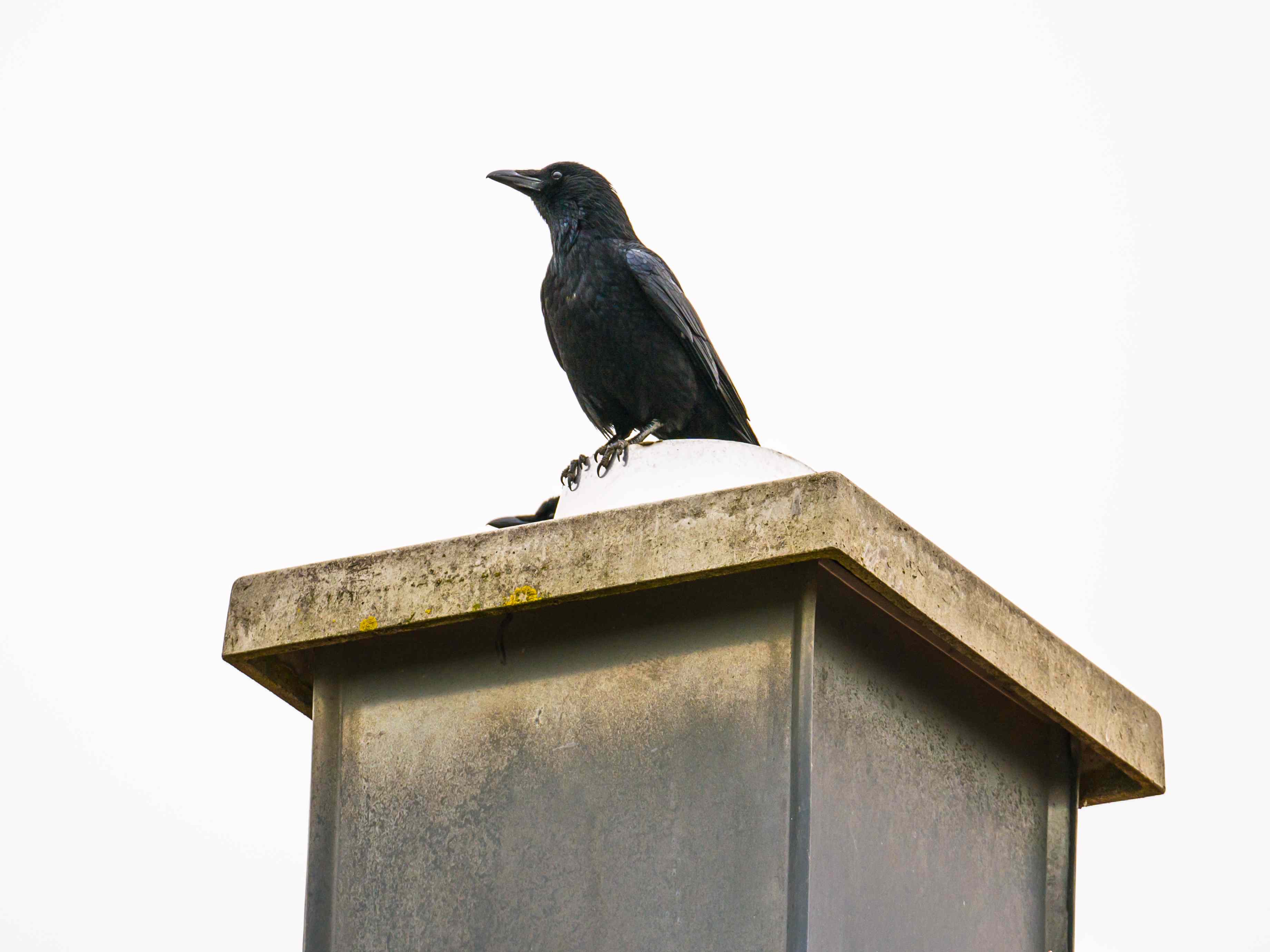
If you hear scrabbling, peeping, and twittering noises coming from the fireplace, you could have birds nesting in your chimney. Because most bird nests are federally protected, there isn’t much you can do until the chicks fledge in a few weeks and leave. But while you wait it out, you should take precautions to prevent birds and bird droppings from entering your home.
On the other hand, fallen nests may require the help of a wildlife rehabilitator. Read on to learn what to do if you find a bird’s nest in your chimney, how to help orphaned birds, and more.
Signs You Have A Bird Nesting In Your Chimney
Chimney swifts are the only native bird typically found nesting in chimneys in the South. The birds attach a saucer-shaped nest made of twigs and saliva to the wall to raise their chicks. You may hear scrabbling, twittering, and chattering during the day as the parents fly in and out. Chimney swifts do not perch; the cigar-shaped birds swoop through the air or cling to walls. The parents will return to the chimney at dusk, with other birds occasionally joining them to roost.
Other types of birds will nest at the top of a chimney or along a ledge. Sometimes a nest can fall into the chimney, trapping a bird or birds inside. You may hear scrabbling, flapping, and cheeping as birds attempt to escape. Keep in mind that you could have another animal residing in your chimney, like a raccoon, squirrel, or bats. Watch for animals coming in and out of the chimney, especially at night.
What To Do About Birds In A Chimney
Most bird nests are federally protected from being disturbed. If you have chimney swifts, the only course of action is to wait until the birds leave the nest on their own. Chimney swifts do migrate south in the fall, usually starting in September. Do not light fires, and keep the damper closed at all times so the birds won’t enter your home.
If you find a nest in your fireplace or believe one fell inside your chimney, call a wildlife rehabilitator for help. Only a licensed wildlife rehabilitator is qualified to care for an orphaned or injured bird. Don’t try to give trapped birds food or water, but you can carefully place fallen nestlings inside a shoebox lined with a towel or paper towels and cover it. Set the box somewhere quiet, safe, and warm until you can hand it over to a rehabilitator.
Never try to get rid of birds by smoking them out or harassing them. You could end up injuring the birds—and put your house in danger by setting nesting materials on fire.
After they depart for good, you can have a cap or screen put on the chimney to keep the birds from returning. But if you like the idea of hosting chimney swifts, leave the chimney open so they can return next spring. Either way, you should definitely hire a chimney sweep to remove the bird droppings and nesting material from the flue. Wait until October or November when chimney swifts have finished migrating.
How To Handle Bird Nests
Bird nests are extremely unsanitary. They can be full of mites, parasites, and disease-causing bacteria. If an old, abandoned nest falls into the grate of your fireplace, take precautions before handling it. Put on gloves and place the nest in a plastic bag, tie up the bag, and discard it in a trash can outdoors. Then make sure to schedule a chimney cleaning before you light your first fire this winter.
on Southern Living
Source: Nature



0 Comments